



What is pharmaceutical water?
- GangTong
- 2025-11-17
Pharmaceutical water is water with specific quality standards used in drug production, formulation, inspection, and other processes. Its purity, microbial limit, chemical composition, and other indicators must strictly comply with drug regulatory regulations (such as China's Good Manufacturing Practice (GMP) and relevant standards of the US FDA), directly affecting the safety, effectiveness, and stability of drugs. It is one of the core basic materials in the pharmaceutical industry.
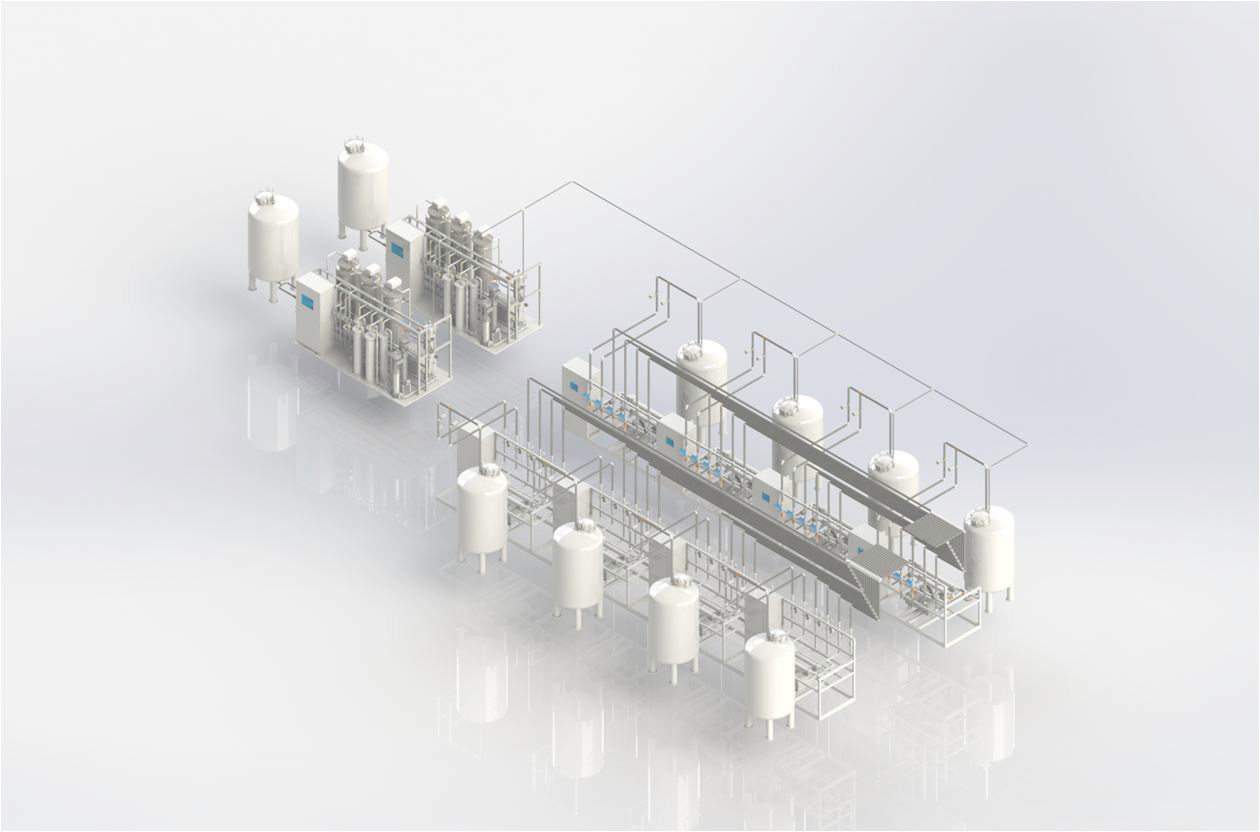
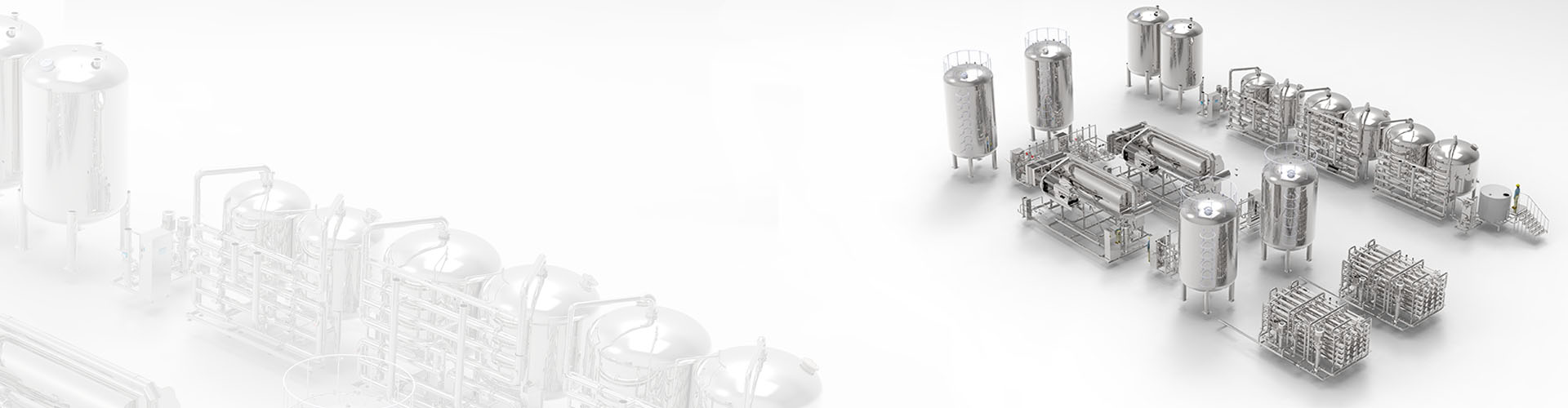
Gangtong Medical Group Pharmaceutical Equipment (Hebei) Co., Ltd. mainly produces pharmaceutical water and hospital pure water. The main products of pharmaceutical water include centralized water stations for pharmaceutical factories, hot press distilled water machines, multi effect distilled water machines, purified water preparation systems for pharmaceutical factories, clean storage tanks, distribution systems, pure steam generators, etc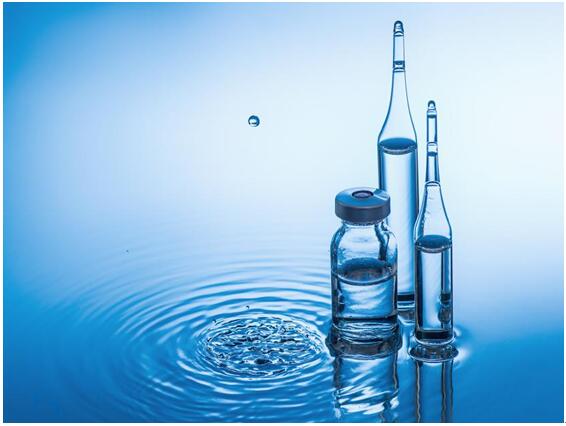
1、 Core classification and use of pharmaceutical water
According to usage scenarios and quality requirements, pharmaceutical water is mainly divided into four categories, with significant differences in indicators and uses between each category, as shown in the following table:
| Classification | Core Quality Requirements | Main Applications |
| drinking water | Compliant with the "Hygienic Standards for Drinking Water" (GB 5749), containing certain minerals and microorganisms (subject to hygiene standards), and does not require purification | 1. Non critical processes in drug production (such as initial equipment cleaning and rough washing of raw materials); 2. Preparation of oral common drugs (such as solvents for some oral solutions and granules); 3. Cleaning of pharmaceutical workshop (floor and wall flushing) |
| Purified Water | No microorganisms (or extremely low microbial limit, such as ≤ 100CFU/mL), no pyrogen, removes most minerals (conductivity ≤ 5.1 μ S/cm, 25 ℃), but may contain a small amount of non-volatile impurities | 1. Non sterile processes of sterile drugs such as injections and eye drops (such as raw material refinement, initial rinsing after cleaning sterile equipment); 2. Preparation of oral sterile drugs (such as enteric coated capsules); 3. Routine tests in drug inspection (such as physical and chemical analysis, dissolution of non sterile samples) |
| Water for Injection | The highest quality, sterile, without pyrogen (pyrogen is a bacterial endotoxin that can cause an increase in body temperature and is fatal to injection administration), almost free of any impurities (conductivity ≤ 2.1 μ S/cm, 25 ℃); At 121 ℃ ≤ 0.3 μ S/cm, it needs to be prepared by distillation or a qualified reverse osmosis+sterilization process | 1. The final preparation solvent for injections (such as intravenous or powder injections); 2. Refining of sterile raw materials and final flushing of sterile equipment; 3. Key production processes for eye drops and subcutaneous/intramuscular injections |
| Sterilized injection water | Further sterilization treatment on the basis of injection water (such as wet heat sterilization, filtration sterilization), completely sterile, without any additives | 1. Dissolution or dilution of sterile powders for injection (such as penicillin powder injections); 2. Dilution of injections (such as dilution of concentrated solution infusion); 3. Eye irrigation, wound irrigation (specific medical scenarios) |
2、 Key quality control indicators for pharmaceutical water
| Table type | drinking water | Purified Water | Water for Injection | Sterilized injection water |
| Microbial Limit | Meets the hygiene standards for drinking water (such as total coliform count ≤ 3/L) | ≤100 CFU/mL | ≤10 CFU/100mL(And no pathogenic bacteria shall be detected) | Aseptic (no microorganisms detected) |
| Pyrogen (endotoxin) | No requirements | No requirements | ≤ 0.25 EU/mL (EU is the endotoxin unit) | ≤0.25 EU/mL |
| conductivity(25℃) | No strict restrictions (usually 50-500 μ S/cm) | ≤5.1 μS/cm | ≤2.1 μS/cm | ≤2.1 μS/cm |
| PH value | 6.5-8.5 | 5.0-7.0 | 5.0-7.0 | 5.0-7.0 |
| Other impurities | Compliant with drinking water standards (such as heavy metals ≤ 0.01mg/L) | Do not detect heavy metals, chlorides, etc | No visible impurities or heavy metals shall be detected | Same as injection water and without additives |
3、 Preparation process
The preparation of pharmaceutical water requires multiple processes and layers of purification to convert ordinary drinking water into high-purity water that meets the requirements of drug production.
There are three main process routes for preparing purified water:
1. Pre treatment+primary reverse osmosis+secondary reverse osmosis, suitable for projects with high salt content in raw water and sensitivity to investment costs.
2. Pre treatment+primary reverse osmosis+electro deionization, suitable for scenarios with good raw water quality and pursuit of low energy consumption.
3. Pre treatment+dual stage reverse osmosis+electrodeionization, suitable for high-end projects exported to Europe and America with conductivity requirements not exceeding 0.1 μ S/cm.
The preprocessing stage usually includes steps such as quartz sand filtration, activated carbon filtration, and softening. Quartz sand filters can remove large suspended impurities in water; Activated carbon filters mainly adsorb organic matter and fine suspended solids in water; The softener removes calcium and magnesium ions from water by softening the resin, preventing subsequent fouling of the reverse osmosis membrane.
Reverse osmosis is the core technology for purifying water, which uses high pressure to allow water to pass through a semi permeable membrane, intercepting pollutants such as salts, colloids, and microorganisms dissolved in the water, and achieving water purification. Electrodeionization combines the advantages of ion exchange and electrodialysis technology to continuously remove ions under the action of an electric field, while achieving automatic resin regeneration without the need for acid-base chemical regeneration, making it more environmentally friendly and efficient.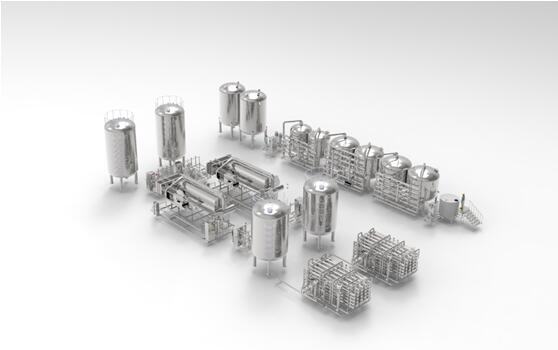
- Previous article: hot wire! The first batch of orders from a certain hospital were successfully shipped!
- Next article: fire drill
Gangtong Medical Group Pharmaceutical Equipment (Hebei) Co., Ltd
Copyright: Gangtong Medical Group Pharmaceutical Equipment (Hebei) Co., Ltd
Website: http://www.hbgtzyzb.com
Group • Headquarters
Address: No. 356, South Section of Kailiwei Industrial Avenue, Jianyang City, Chengdu, Sichuan Province
Telephone: 028-27125617
Group • Shijiazhuang
Address: Tianshan Chuangke Intelligent Manufacturing Industrial Park, Zhao County Economic Development Zone, Shijiazhuang City, Hebei Province
Telephone: 13903311661